
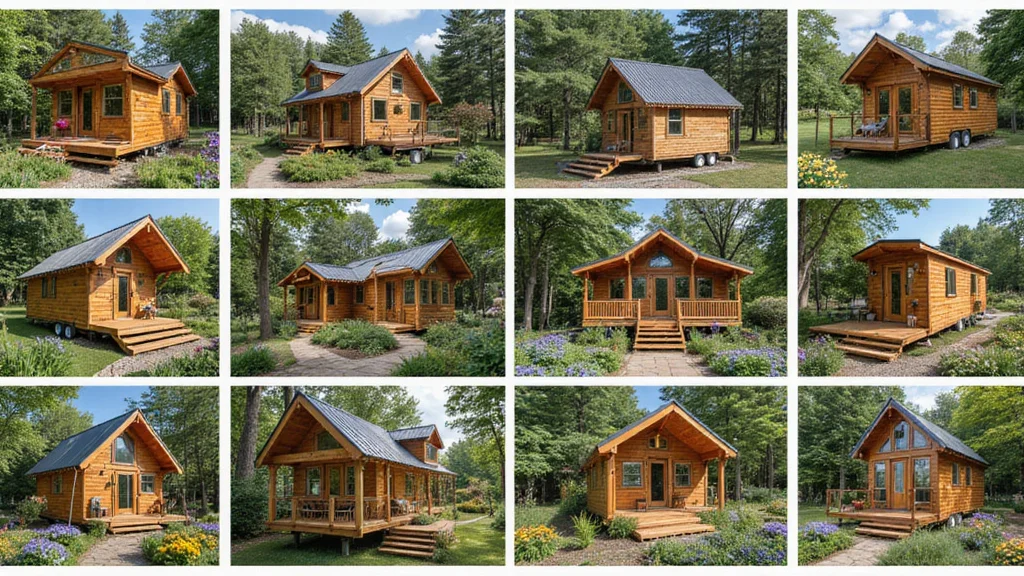
Are you feeling overwhelmed by the clutter in your life? This time of year always brings that urge to simplify and embrace a more minimalist lifestyle. The idea of tiny home design has taken off recently, and it’s hard not to crave that cozy, less-is-more vibe. Imagine living in a beautifully designed space that feels just right, where every inch counts and brings you joy. If you’re looking to declutter your life and home, this post is perfect for you.
Whether you’re a busy professional, a retiree looking to downsize, or someone simply tired of the maintenance that comes with a larger home, tiny homes are an appealing option. With their clever use of space and unique styles, tiny homes can inspire you to rethink how you live. I’ve gathered ten stunning designs that will make you want to downsize now! Each one showcases different styles and interiors, ensuring there’s something that speaks to everyone’s taste.
In this guide, you’ll discover practical tips and inspiring ideas that can help you start your downsizing journey. From eco-friendly retreats to artistic lofts, you’ll find designs that not only save space but also enhance your quality of life. Let these tiny home designs spark your imagination and motivate you to create a simpler, more meaningful living space.
Key Takeaways
– Explore 10 unique tiny home designs that blend style and functionality, perfect for those looking to simplify their living situation.
– Discover the eco-friendly benefits of tiny homes that help reduce your carbon footprint while maintaining comfort and style.
– Learn about different interior styles—from modern marvels to bohemian bungalows—that cater to various tastes and lifestyles.
– Understand how tiny home living encourages a minimalist lifestyle, promoting less clutter and more focus on experiences rather than possessions.
– Find practical tips for transitioning to a tiny home, making the process smoother and ensuring you enjoy your new, smaller space.
1. The Eco-Friendly Retreat
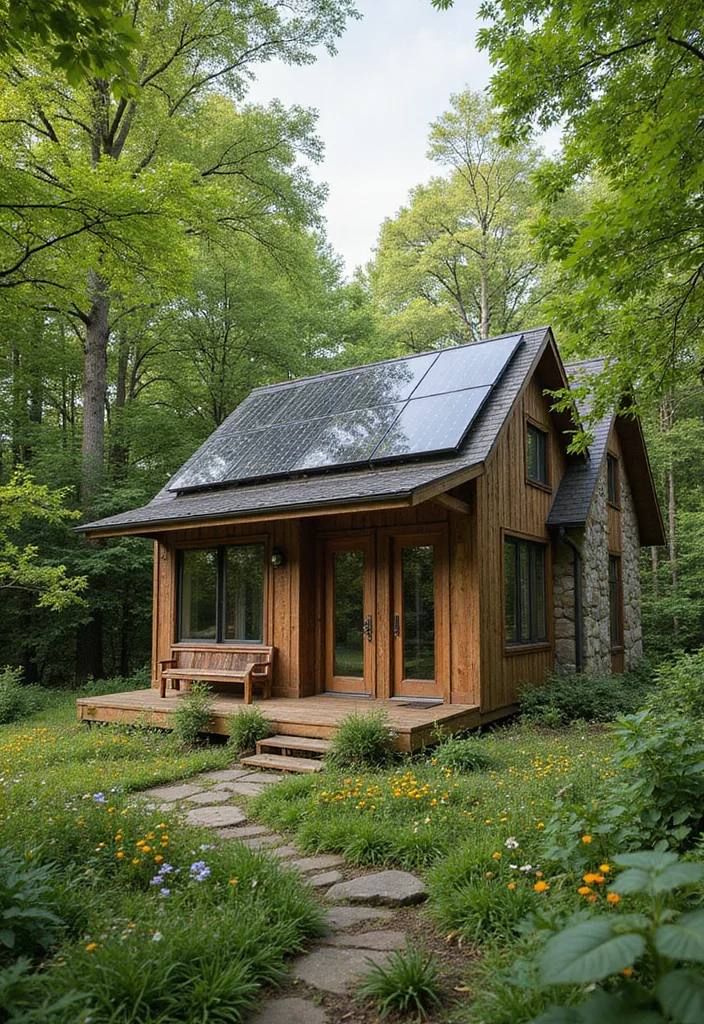
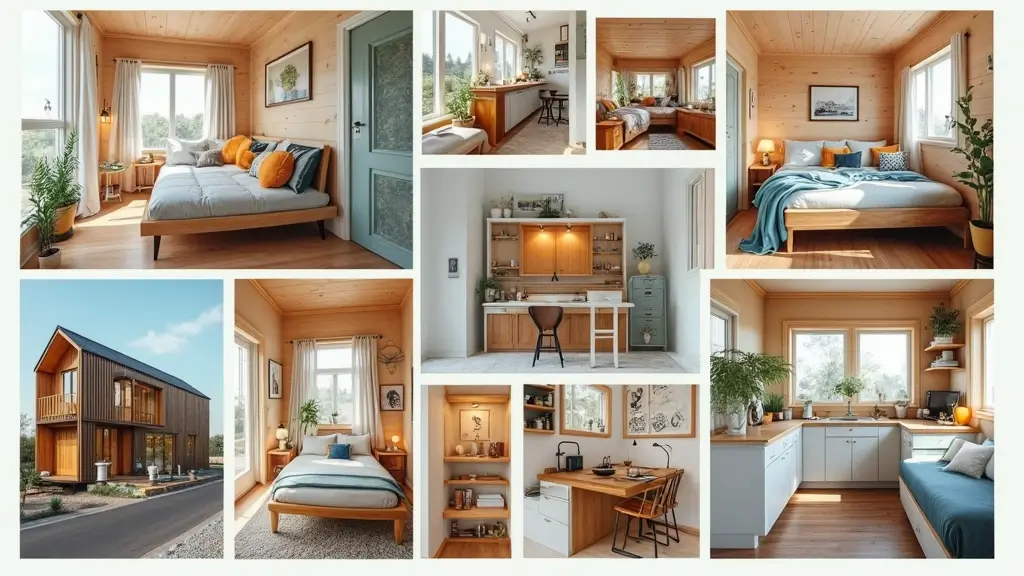
Envision a tiny home crafted from eco-conscious materials that harmonizes beautifully with its natural environment. This sustainable design shines through with features like solar panels, rainwater harvesting, and finishes made from reclaimed wood. The open floor plan invites in sunlight, creating a cozy yet airy feel, while expansive windows frame stunning outdoor views, enhancing the home’s spaciousness.
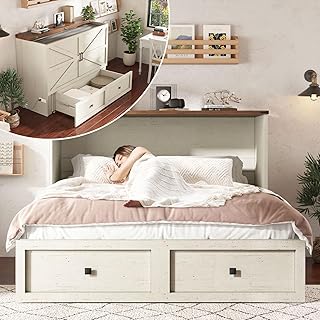
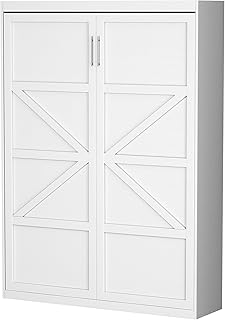
To fully embrace this eco-friendly lifestyle, consider integrating multifunctional furnishings like a foldable dining table and a murphy bed. Budget-friendly options can include sourcing reclaimed materials and DIY projects to personalize your space. This design not only aligns with environmental trends but also fosters a warm, inviting atmosphere.
Consider these elements to maximize this palette’s potential:
– Pair solar panels with rainwater collection for sustainability
– Install reclaimed wood cabinetry for warmth and character
– Use bright plants to purify the air and add lively color
– Incorporate multi-purpose furniture for efficient space use
This approach creates a serene living environment that balances style with sustainability, ensuring that every texture and material contributes to the overall aesthetic.
The Eco-Friendly Retreat
Editor’s Choice





2. The Modern Marvel
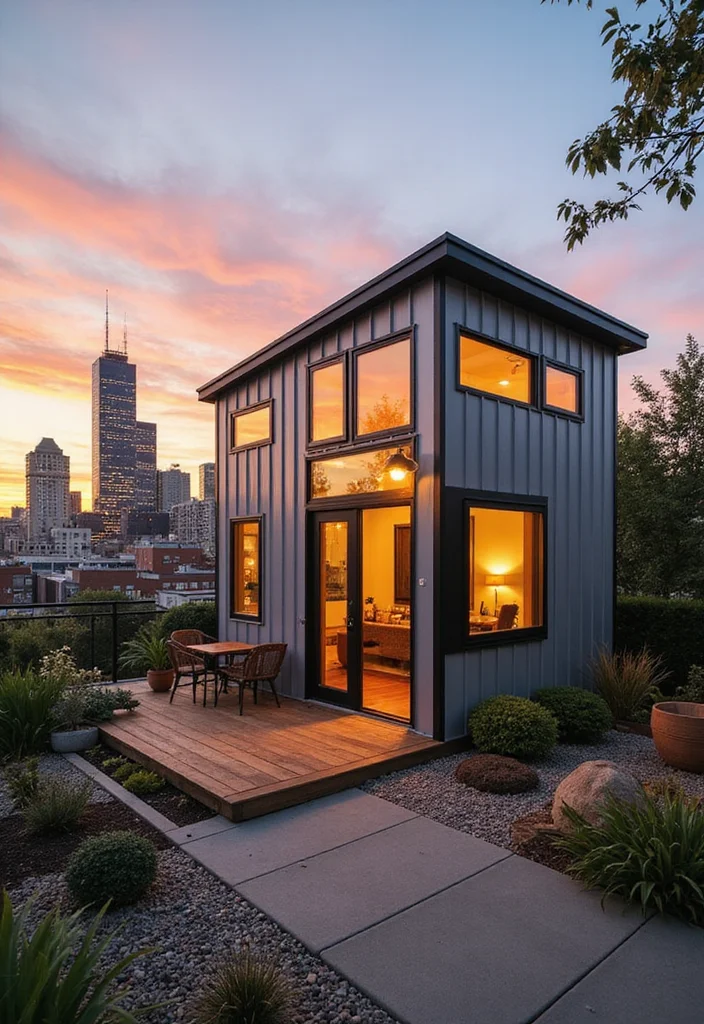
This contemporary tiny home design showcases the beauty of modern architecture through its sharp angles and minimalist charm. Featuring sleek metal siding and expansive glass panels, the exterior presents a striking silhouette. Inside, the emphasis is on open spaces, complemented by smart storage solutions such as custom cabinetry that maximizes functionality while keeping the area uncluttered.
A neutral color palette enhances the natural light, fostering a calm ambiance. Incorporating energy-efficient appliances and smart technology not only elevates the functionality but also ensures a stylish living experience.
Here are some tips to achieve this look:
– Use large windows to flood the space with light
– Install smart home devices for convenience
– Create custom storage areas to maintain order
This modern approach elevates the aesthetic, proving that simplicity and style can coexist beautifully while enhancing your daily living experience.
3. The Cozy Cabin
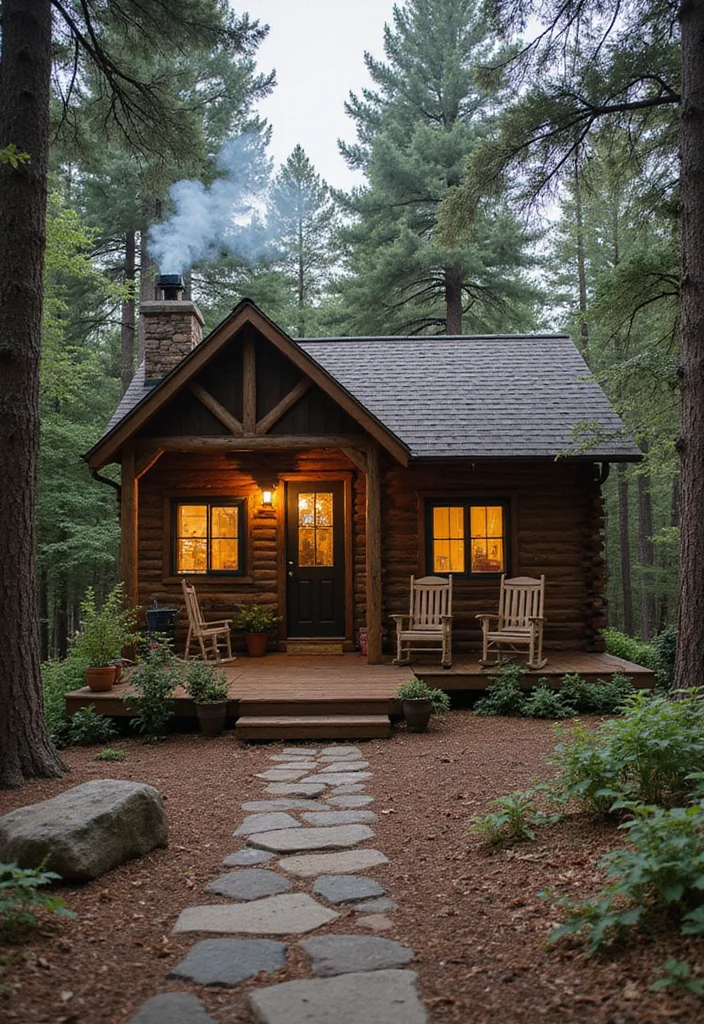
Step into a rustic tiny cabin that radiates warmth and charm, perfect for escaping the daily grind. With wooden beams and a stone fireplace, this design captures the essence of cozy living. Typically nestled in tranquil spots, these cabins offer a peaceful retreat where earthy tones and inviting decor create a homely atmosphere.
The layout prioritizes comfort and practicality, featuring a compact kitchen, sleeping loft, and a cozy living area ideal for unwinding after outdoor adventures. Layering textiles and vintage accents contributes to the welcoming vibe.
Consider these cozy elements:
– Use rustic wood finishes to enhance warmth
– Install a stone fireplace for a focal point
– Incorporate cozy textiles for added comfort
This design enriches the overall experience by creating a nurturing environment where every texture enhances the feeling of home.
4. The Urban Oasis
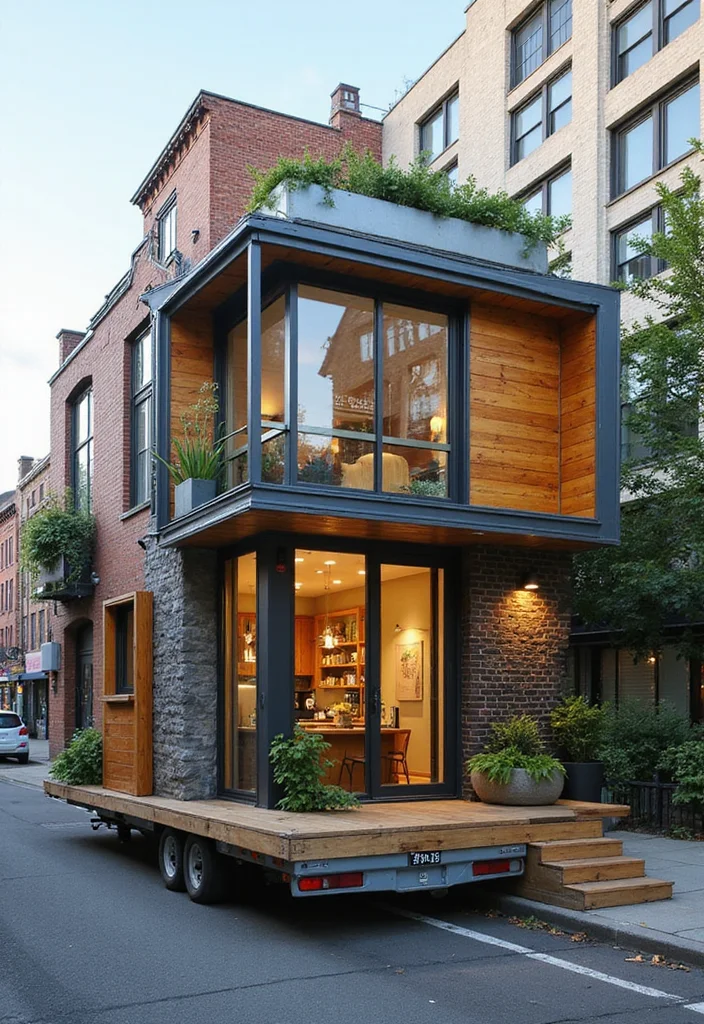
This innovative tiny home design transforms urban living into a stylish sanctuary tucked away from the city’s hustle. Focused on maximizing vertical space, it often features lofted beds and creative storage solutions. Expansive windows invite natural light, making the interiors feel airy and open.
Innovative landscaping, such as vertical gardens or rooftop patios, adds a refreshing touch of nature. Inside, the blend of modern and industrial styles, featuring elements like exposed brick and sleek metal furnishings, creates a unique character.
To enhance your urban oasis, consider:
– Utilize lofted spaces to maximize floor area
– Incorporate industrial decor for a chic vibe
– Create green spaces with vertical gardens
This design not only makes the most of available space but also fosters a connection with nature, ensuring a serene escape in the heart of the city.
5. The Family-Friendly Tiny Home
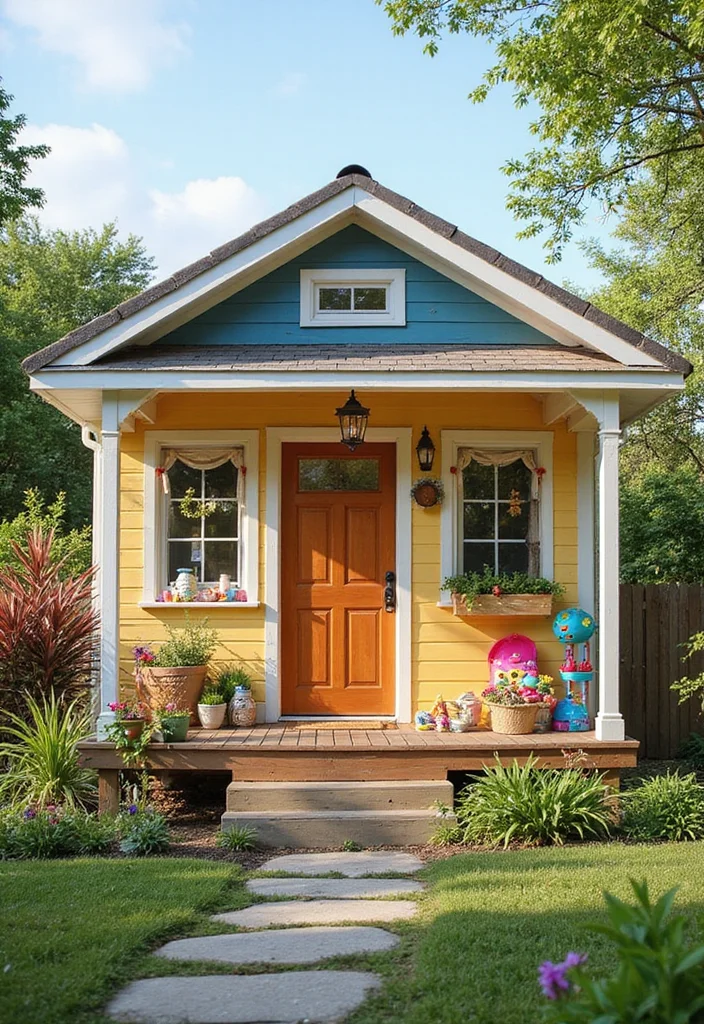
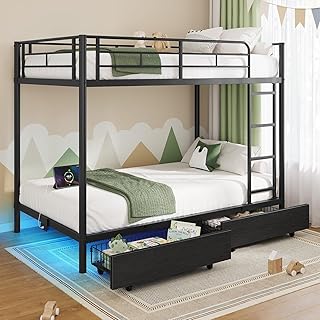
Who says tiny homes can’t cater to families? This design cleverly maximizes space with smart layouts that include ample storage and versatile sleeping arrangements. Featuring bunk beds, a pull-out sofa, and a multifunctional dining area, every inch is crafted for family living.
Bright colors and playful decor create a lively atmosphere that appeals to both adults and kids. Safety is prioritized with features like rounded furniture edges and secure railings, ensuring a comfortable environment for all ages.
Key features include:
– Create flexible sleeping arrangements for all ages
– Design playful interior spaces for fun and safety
– Develop outdoor areas for family activities
This design showcases how thoughtful planning can create a joyful, functional home that grows with your family’s needs.
The Family-Friendly Tiny Home
Editor’s Choice



📹 Related Video: Adorable Tiny House Built By Love, Family and Community
You might also like

6. The Bohemian Bungalow
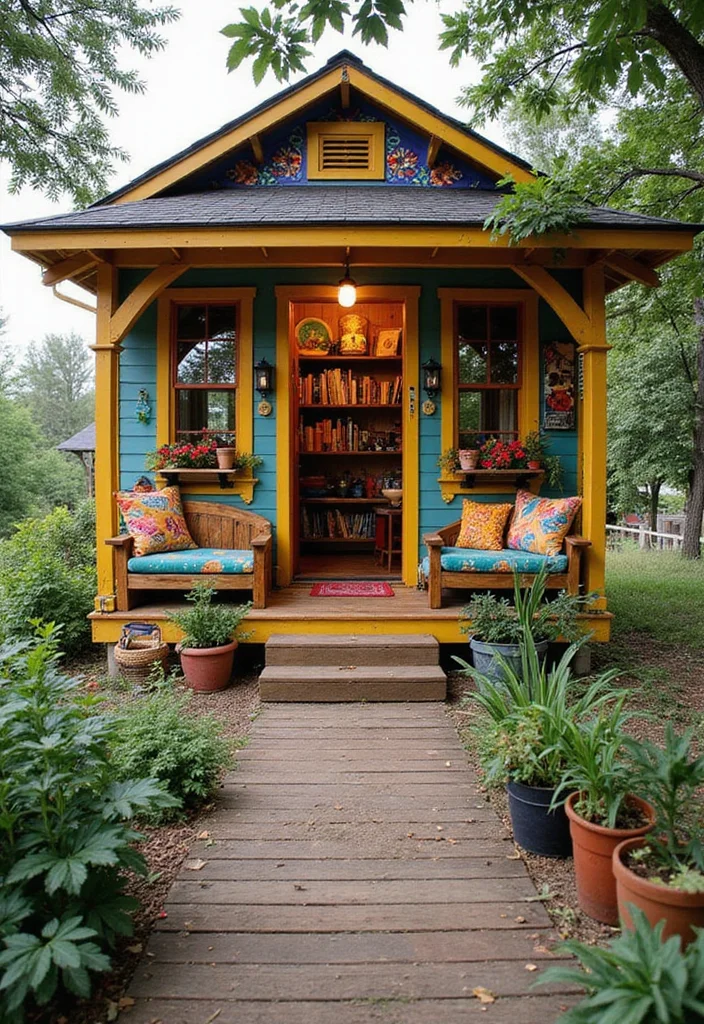
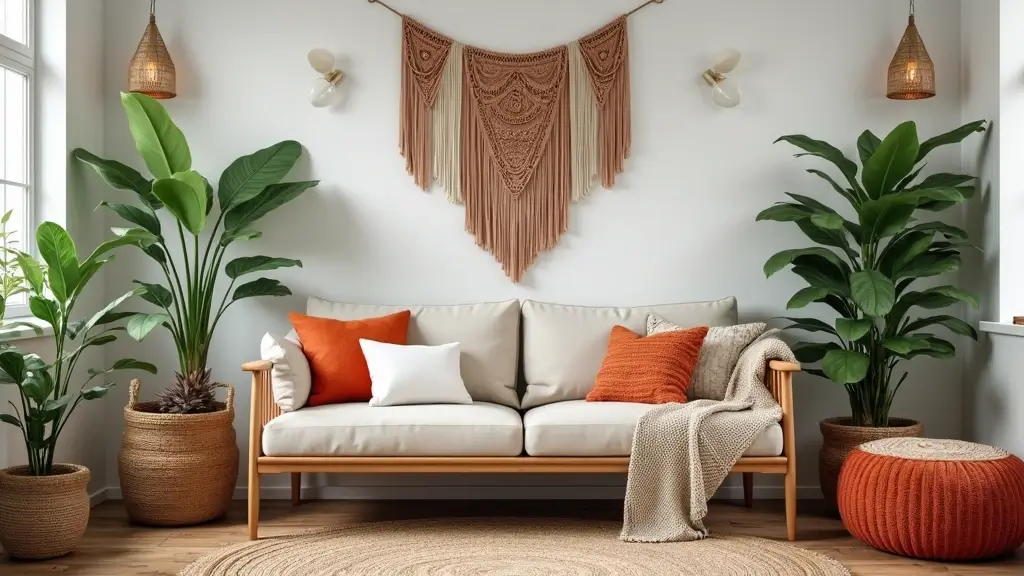
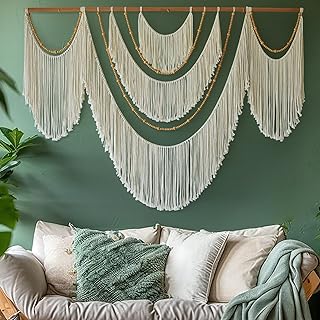
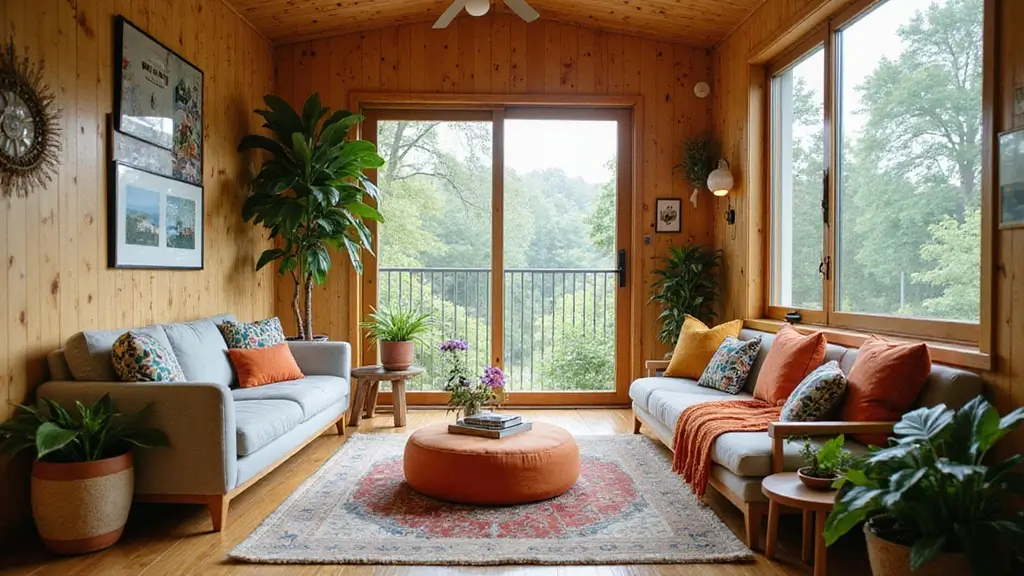
For those drawn to artistic expression, a bohemian-style tiny home is a delightful choice. This design bursts with vibrant colors, eclectic patterns, and a mix of textures that create an inviting atmosphere. Interiors often feature handmade decorations, macramé hangings, and an abundance of plants that breathe life into the space.
Natural materials like wood and stone complement vintage furnishings, crafting a cozy yet distinctive environment. Cozy nooks are perfect for reading or artistic endeavors, making this home an ideal haven for creative spirits.
Bring bohemian flair to your home by:
– Embracing eclectic decor with bold colors and textures
– Using plants to enhance the interior’s vibrancy
– Creating cozy nooks for relaxation and creativity
This design fosters an inspiring atmosphere where every texture and detail contributes to your personal expression.
The Bohemian Bungalow
Editor’s Choice



7. The Minimalist Haven
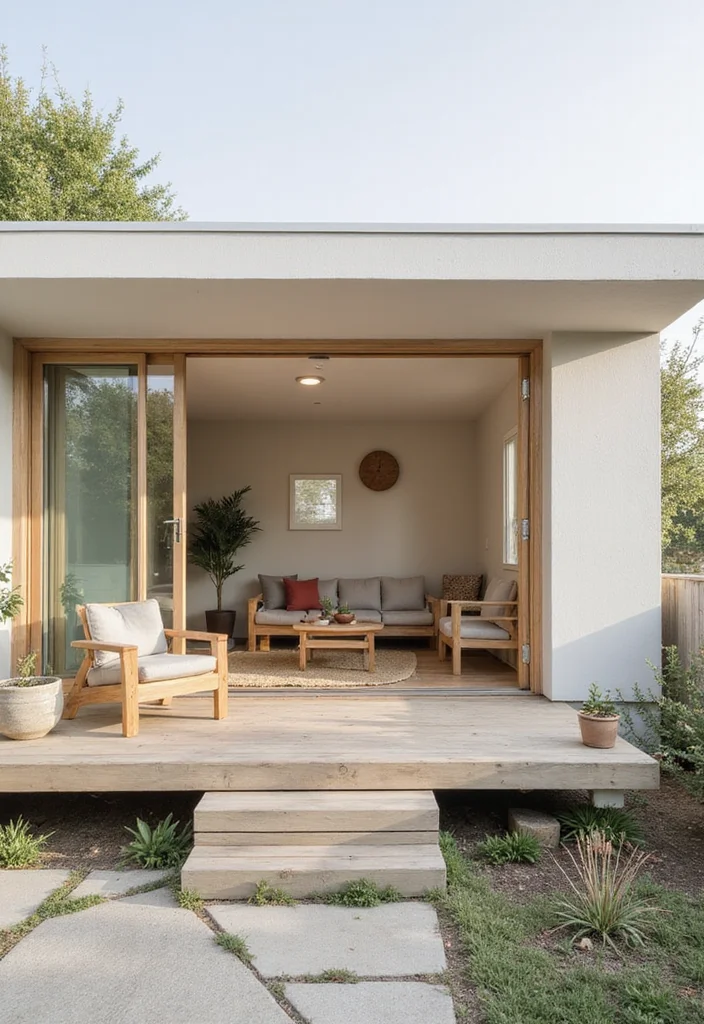
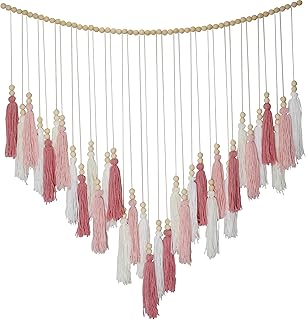
In a world overflowing with clutter, this tiny home design champions a minimalist lifestyle that celebrates simplicity and functionality. Each piece of furniture serves a purpose, beautifully blending style with utility. Clean lines and neutral colors foster a calming environment that feels peaceful.
Built-in storage solutions keep belongings out of sight, contributing to a tidy and organized space. This home advocates for quality over quantity, promoting intentional living that resonates with modern sensibilities.
To create your minimalist haven, try:
– Investing in purposeful furniture designs
– Using neutral tones for a serene ambiance
– Incorporating hidden storage for a clean look
This approach not only enhances your living space but also promotes a lifestyle grounded in simplicity and mindfulness.
The Minimalist Haven
Editor’s Choice



8. The Adventure Cabin
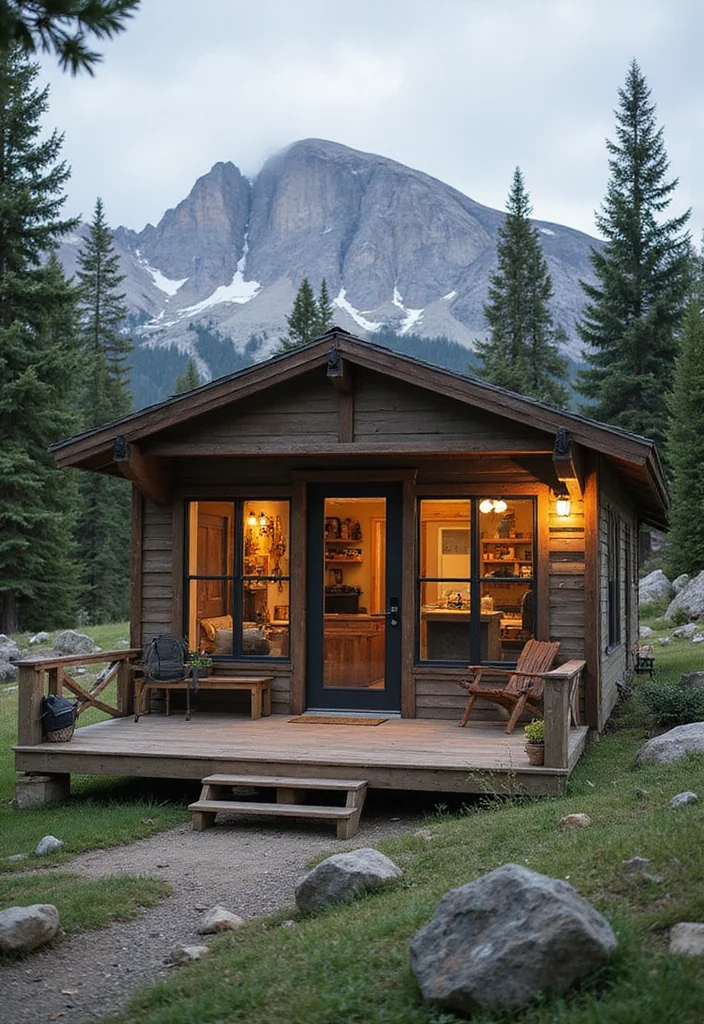
For those with a passion for adventure, this tiny home is designed to support an active lifestyle. Often situated in breathtaking locations, these cabins provide easy access to nature, featuring outdoor gear storage and mudrooms for post-hike clean-up. The interiors blend rugged durability with comfort, incorporating materials that withstand the elements.
Large windows frame stunning views, connecting you with the outdoors. The layout emphasizes communal spaces, encouraging gatherings after a day filled with exploration.
Key features include:
– Choose rugged materials for outdoor resilience
– Develop outdoor storage solutions for gear
– Design large windows to invite nature inside
This design fosters a deep connection with the great outdoors, ensuring that every element enhances your adventurous spirit.
The Adventure Cabin
Editor’s Choice


You Might Also Like
9. The Artistic Loft
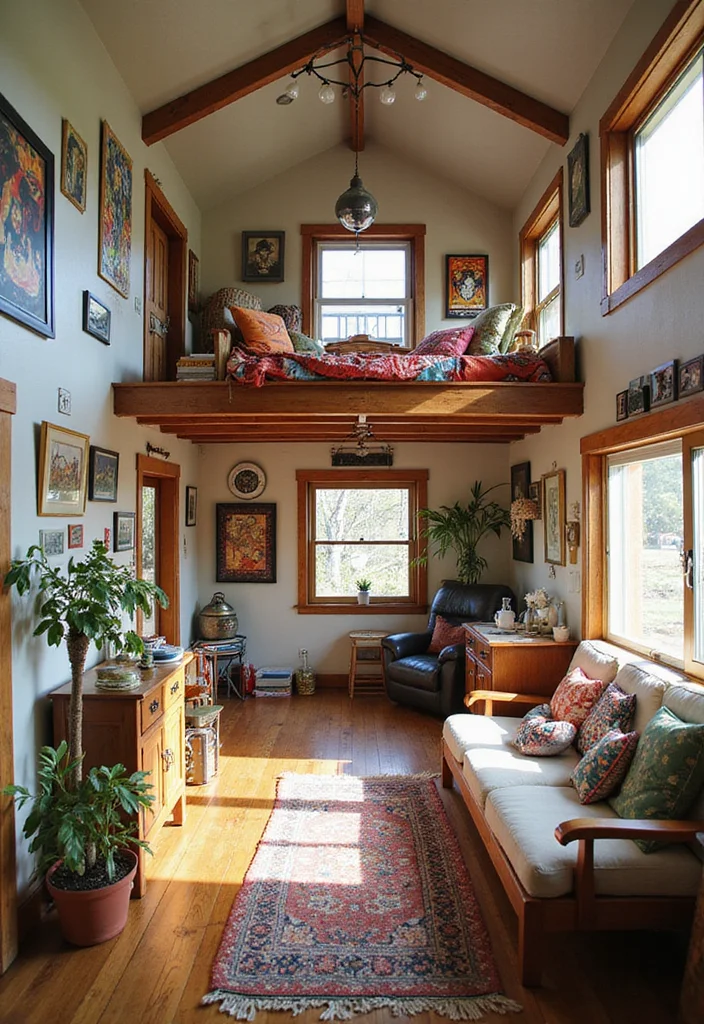
This tiny home design elevates creativity with an artistic loft space that inspires imagination. High ceilings allow for an upper loft that can serve as a cozy bedroom or a vibrant studio. Bright colors and unique art pieces adorn the walls, showcasing the owner’s personality beautifully.
Movable furniture allows flexibility, adapting the space for various activities, whether crafting, working, or simply relaxing. Natural light floods the area, enhancing the artwork and fostering an inspiring atmosphere.
To achieve this artistic vibe, consider:
– Incorporating high ceilings and lofted spaces
– Featuring artistic decor that represents your style
– Using movable furniture for versatility
This design nurtures creativity, ensuring that every detail contributes to an uplifting and dynamic living environment.
How To Choose the Right Tiny Home Design
Choosing the perfect tiny home design can feel overwhelming. With so many styles and layouts, it’s important to focus on what fits your lifestyle and needs. Here’s a guide to help you navigate the selection process.
1. Size Matters
When considering a tiny home design, think about how much space you really need. Most tiny homes range from 100 to 400 square feet. Ask yourself: How many people will live in this space? Will guests stay over? The size of the home should comfortably accommodate your daily activities and any visitors.
2. Choose Your Style
Tiny homes come in various styles, from modern to rustic. Take the time to explore different aesthetics. Do you prefer a sleek, minimalist look or a cozy cabin vibe? Look at architectural magazines or online platforms for inspiration. The style should reflect your personal taste while being functional for your lifestyle.
3. Material Selection
The materials used in your tiny home can affect not only the look but also the durability and maintenance. Common materials include wood, metal, and eco-friendly options. Consider the climate where you live. For instance, if you’re in a humid area, choosing moisture-resistant materials will help your home last longer.
4. Functional Features
Think about features that will enhance your living experience. Do you need a lofted sleeping area to save space? Would you benefit from built-in storage solutions? Features like fold-out furniture can be a game-changer in a tiny home. Ensure that your design maximizes utility without compromising comfort.
5. Budget Considerations
Set a clear budget for your tiny home design. Costs can vary widely based on size, materials, and features. Create a checklist of essentials versus optional items to help you stay within your budget. Remember that while some features may seem attractive, they can also inflate costs significantly.
6. Sustainability Matters
If you are environmentally conscious, look for designs that incorporate sustainable practices. Features like solar panels, rainwater collection systems, and energy-efficient appliances can reduce your carbon footprint. Choose sustainable materials to align your home with your values.
Pro Tip: Before finalizing your design, visualize how you will use each space. Consider drawing a floor plan or using design software. This will help you spot any potential issues and make adjustments before construction begins.
Taking these factors into account will help you select a tiny home design that is not only beautiful but also functional and tailored to your lifestyle. Enjoy the journey of creating a space that truly feels like home!
10. The Smart Home for Tomorrow
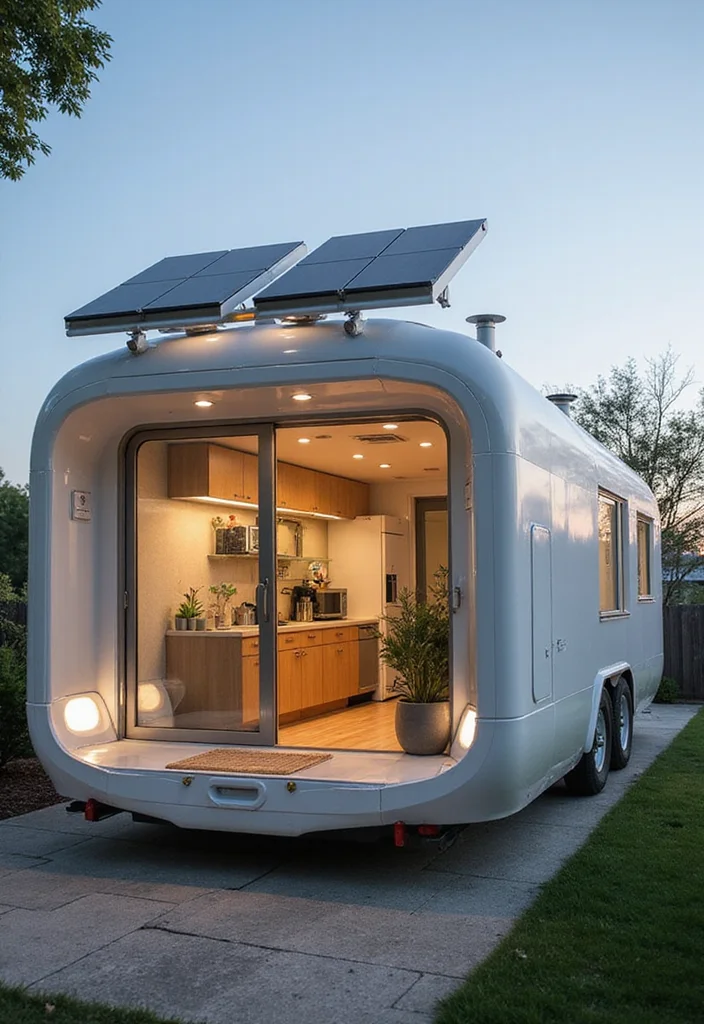
Step into the future with a tiny home that integrates cutting-edge technology for a more convenient lifestyle. This design showcases smart appliances and energy-efficient systems that simplify everyday tasks. An open layout prioritizes accessibility and comfort, with tech seamlessly woven into the decor.
Materials are selected not only for aesthetics but also for their innovative properties, such as high-performance insulation that ensures energy efficiency. Smart features can include voice-controlled systems, automated lighting, and security measures that enhance safety and convenience.
To create your smart home, consider:
– Installing smart appliances for ease of use
– Choosing energy-efficient systems for sustainability
– Maintaining an open layout for seamless tech integration
This design not only enhances daily living but also promotes a forward-thinking approach to homeownership.
Conclusion
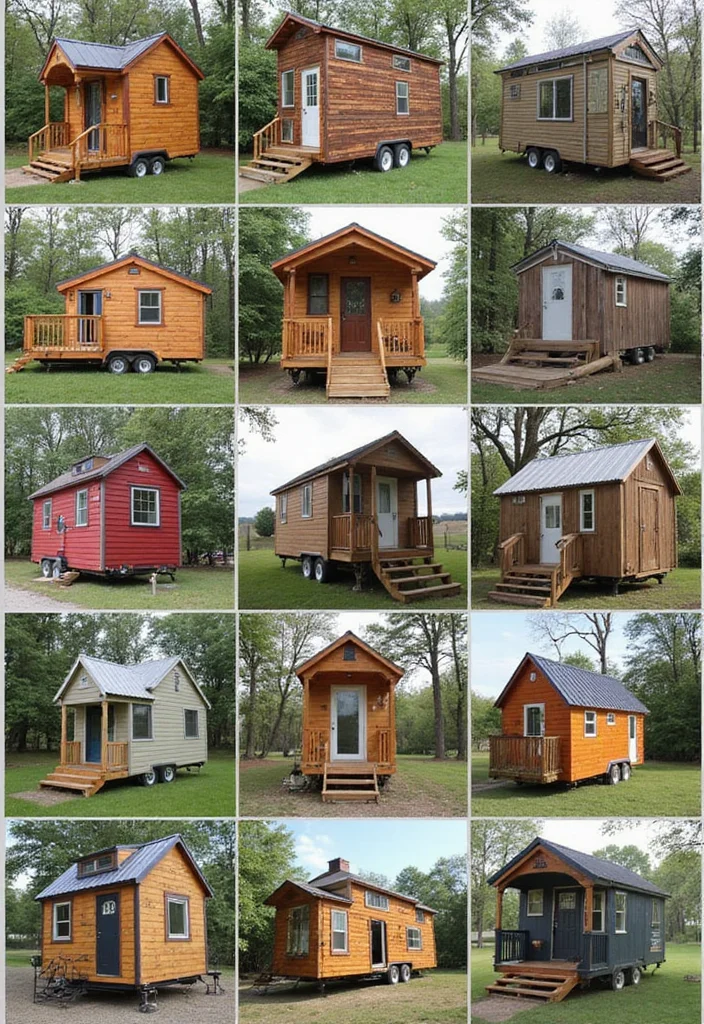
Tiny homes offer a compelling blend of style, function, and sustainability that resonates with those eager for a change.
Whether you seek adventure or a serene environment, these stunning designs illustrate that downsizing doesn’t mean sacrificing comfort or aesthetics. Each of these homes provides unique insights into creating spaces that work for your lifestyle while promoting a simpler way of living.
So, which tiny home design caught your eye? Embrace the possibilities and consider how a tiny home might just be the key to your next chapter.
Note: We aim to provide accurate product links, but some may occasionally expire or become unavailable. If this happens, please search directly on Amazon for the product or a suitable alternative.
This post contains Amazon affiliate links, meaning we may earn a small commission if you purchase through our links, at no extra cost to you.
Frequently Asked Questions
What is the core idea behind tiny home design and how can it boost your self-improvement journey?
Tiny home design is all about getting big value from a small footprint by crafting efficient layouts, multifunctional spaces, and intentional choices. This approach can boost your self-improvement journey by reducing upkeep, saving money, and freeing mental energy for goals you care about.
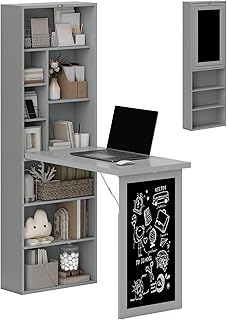
Practical tips: start with a clear downsizing plan, identify essentials vs. clutter, and measure your space before buying. Use built-ins and vertical storage to keep surfaces clear. Pick a cohesive interior style that motivates you—calm colors, natural materials, and good lighting. Invest in multi-functional furniture like a bed with drawers or a fold-down desk to maximize interior usability. With the tiny home design mindset, you create space to focus on habits, routines, and personal growth.
When evaluating plans, look for energy-efficient features and smart storage that align with your lifestyle goals and style.
How can I optimize interior storage without sacrificing style in a tiny home design?
To keep the interior stylish while packing in storage, start with a cohesive style concept and build storage into every surface. Choose built-in shelves, under-bed pullouts, and hidden compartments; pick interior elements that double as furniture. Go vertical with tall cabinets and pegboard walls for versatility. Use light colors, natural textures, and good lighting to make rooms feel bigger while still showing off a polished look. Practical tips: pick furniture that can morph—like a dining table that folds into a console, or a sofa that converts to a guest bed. Finally, invest in high-quality organizers and labeled bins to keep storage tidy and accessible, so your tiny home design stays both functional and attractive.
By focusing on interior design and clever space planning, you can achieve a stylish home that supports a simple, focused lifestyle.
What practical downsizing steps can I take right now after exploring these tiny home designs?
Start by auditing every category of item and asking: do I use this in the next month? If not, consider recycling, selling, or donating. Create a 30-day downsizing plan: tackle one space per day, document progress, and celebrate small wins. Build a capsule wardrobe to reduce clothing clutter and simplify daily routines. Translate that mindset to your possessions: keep only interior pieces that align with your style and tiny home design goals. Use multi-use furniture to reduce furniture clutter. Finally, schedule time for maintenance and cleaning; less stuff means more time for personal growth and hobbies, a principle that fuels self-improvement.
These steps help you start small and stay motivated on your journey to a calmer home and clearer goals.
How do I pick a tiny home plan that fits my lifestyle, budget, and climate?
Start with a clear picture of how you live: a day-in-the-life checklist helps you pick layouts that fit your routine, whether you work from a desk nook, host guests, or rely on a compact kitchen. Search for plans that emphasize storage, daylight, and efficient circulation. Consider energy efficiency: good insulation, double-pane windows, and solar-ready wiring save money and keep your tiny home design comfortable year-round. Budget realistically by tallying foundation, delivery, and setup costs, and leave a buffer for surprises. If you plan to move or travel, choose a modular or expandable plan that can evolve with your style and interior preferences.
What are common mistakes in tiny home design and how can I avoid them while keeping the interior stylish?
Common mistakes include not planning for guests, poor ventilation, blocking natural light, underestimating storage, over-customization, and cramped circulation. Solutions: include a guest area that doubles as storage, ensure cross-ventilation with operable windows, and test layouts with furniture as if you lived there. Think about interior style coherence; avoid mixing too many conflicting aesthetics. Use flexible pieces and purge often to maintain order. Keep a realistic budget and timeline; tiny home design should make daily life simpler, not more complicated.
Related Topics
tiny home design
minimalist living
small space solutions
eco-friendly homes
interior styling
modern aesthetics
budget-friendly design
DIY tiny homes
compact living
sustainable design
beginner friendly
trending home styles